
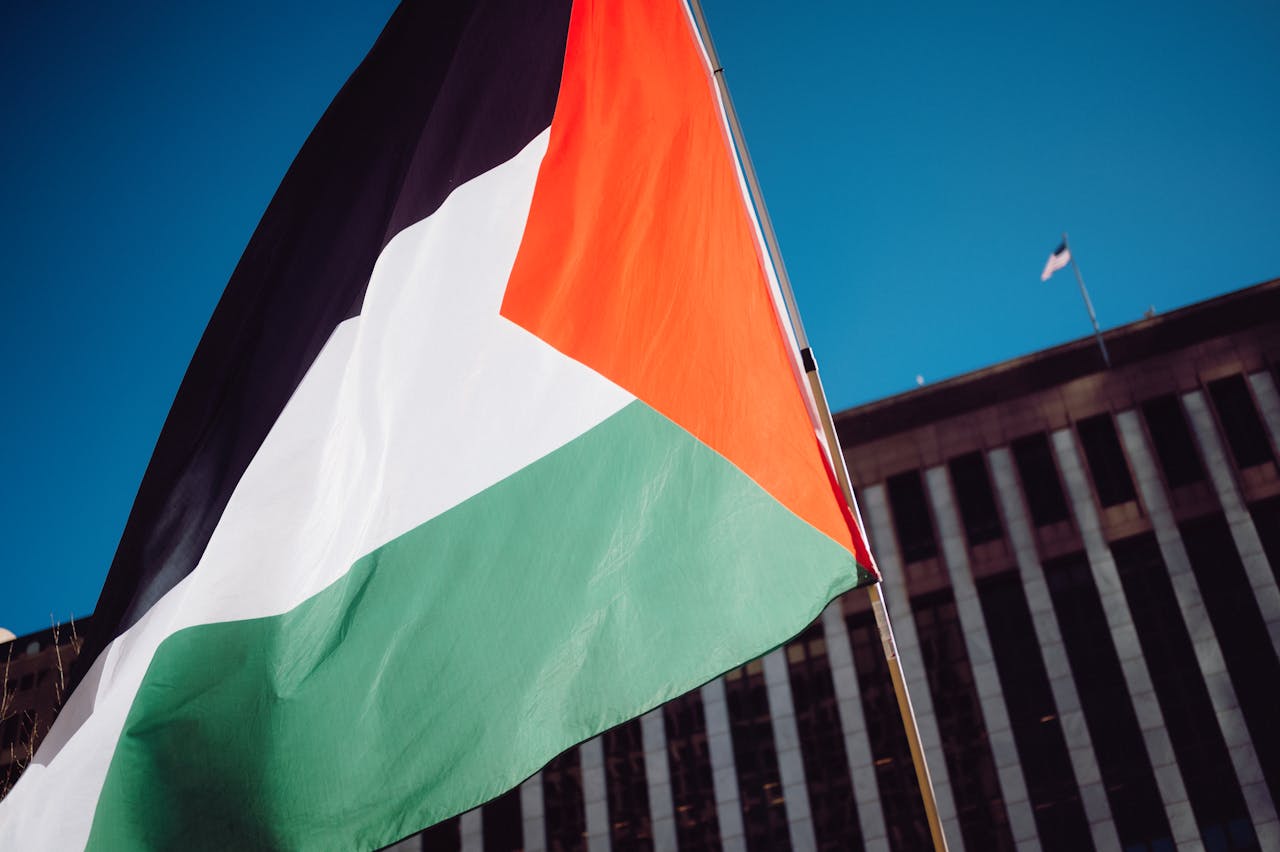
Origin of Palestine – The question of when Palestine “came into existence” is complex and deeply intertwined with historical, political, and cultural contexts. The region known as Palestine has a rich history and origin that dates back thousands of years, and its modern political status is the result of a long and contentious process. To explore the emergence of Palestine as a concept and entity, we must examine historical narratives, colonial impacts, the rise of nationalism, and the ongoing conflict with Israel.
Historical Context
Ancient and Medieval History
The land known as Palestine has been inhabited for millennia, with a diverse array of cultures and civilizations. In ancient times, it was home to various peoples, including Canaanites, Israelites, and Philistines. Jerusalem, one of the oldest cities in the world, holds significant religious importance for Judaism, Christianity, and Islam.
Throughout history, Palestine has been ruled by numerous empires, including the Egyptians, Babylonians, Persians, Greeks, Romans, and Ottomans. By the 7th century CE, the region became predominantly Islamic following the Arab conquests, and it remained part of various Muslim empires until the late Ottoman period.
Ottoman Era and World War I
The late Ottoman Empire (1517–1917) administered Palestine as part of its territory. During this time, the population included a mix of Arabs, Jews, and other groups living together, although tensions occasionally arose.
The situation began to change during the late 19th century, coinciding with the rise of nationalism in Europe and the coming back of Zionism https://beholdisrael.org/watch-and-listen/latest-updates/, a movement aimed at establishing a Jewish homeland in Palestine. This movement gained momentum as European Jews faced persecution and anti-Semitism, particularly in Eastern Europe.
The British Mandate
After World War I, the Ottoman Empire dissolved, and Palestine came under British control via the League of Nations mandate system. The British Mandate for Palestine (1920-1948) was established, which aimed to create a “national home for the Jewish people” while ensuring the civil and religious rights of the existing non-Jewish communities. The Balfour Declaration of 1917 had already expressed British support for Zionism, setting the stage for increased Jewish immigration to Palestine.
This period saw rising tensions between Jewish and Arab communities. Jewish immigration increased, leading to demographic shifts that alarmed many Arab residents. The Arab population, feeling threatened, began to mobilize against the influx of Jewish settlers and the British mandate.
The Rise of Palestinian Nationalism
Origin of Palestine – The early 20th century marked the beginning of Palestinian nationalism. The 1920s and 1930s saw the emergence of various political movements aimed at resisting British rule and opposing Jewish immigration. Arab nationalism gained traction, fueled by the desire for self-determination and independence.
The Arab Revolt (1936-1939) was a significant uprising against British rule and Jewish immigration, reflecting widespread discontent among Palestinians. The British response was harsh, including the implementation of collective punishments and military action against Arab leaders. The revolt highlighted the deepening rift between Jewish and Arab communities and set the stage for future conflict.
Partition and the Creation of Israel
Origin of Palestine – The aftermath of World War II and the Holocaust generated international support for the establishment of a Jewish state. In 1947, the United Nations proposed a partition plan that aimed to divide Palestine into separate Jewish and Arab states, with Jerusalem as an international city. The Jewish leadership accepted the plan, but the Arab leadership rejected it, leading to escalating tensions.
On May 14, 1948, David Ben-Gurion proclaimed the establishment of the State of Israel https://raginigaur.in/israel-current-u…s-and-challanges/. The declaration prompted immediate conflict, as neighboring Arab states invaded the newly established state. This conflict is known as the 1948 Arab Israeli War or the War of Independence for Israelis and the Nakba (Catastrophe) for Palestinians. The war resulted in the displacement of approximately 700,000 Palestinians, who became refugees and were unable to return to their homes.
The Concept of Palestinian Identity
The period following the 1948 war marked a significant evolution in Palestinian identity. The loss of their homeland and the experiences of displacement solidified a collective identity among Palestinians. The Palestinian Liberation Organization (PLO) was established in 1964, symbolizing the political aspirations of Palestinians for self-determination and statehood.
In the 1960s and 1970s, Palestinian nationalism gained traction through armed struggle, diplomacy, and international advocacy. The PLO, under the leadership of Yasser Arafat, became the face of Palestinian aspirations. The organization sought to unify various factions and articulate the Palestinian cause on the global stage.
The 1967 War and Occupation
Origin of Palestine – The 1967 Six-Day War significantly altered the political landscape in the region. Israel captured the West Bank, Gaza Strip, East Jerusalem, and the Golan Heights, leading to a military occupation that continues to this day. The war resulted in further displacement and hardship for Palestinians, who found themselves living under Israeli control.
The occupation intensified calls for Palestinian self-determination and independence. The PLO gained recognition as the representative of the Palestinian people, and by the late 1970s, it was recognized by the United Nations as a non-member observer.
The Peace Process and Oslo Accords
The late 20th century saw attempts to resolve the Israeli-Palestinian conflict through diplomatic means. The Madrid Conference in 1991 and subsequent negotiations led to the Oslo Accords in the 1990s. These agreements aimed to lay the groundwork for a two-state solution, granting limited autonomy to Palestinians in parts of the West Bank and Gaza Strip.
The Oslo process created the Palestinian Authority (PA), tasked with governing areas under Palestinian control. However, the peace process faced numerous challenges, including continued settlement expansion, violence, and political divisions among Palestinians.
The Second Intifada and Recent Developments
The Second Intifada (2000-2005) marked a period of heightened violence and unrest, leading to a breakdown of the peace process. The failure to achieve a lasting resolution to the conflict has resulted in deepening despair and disillusionment among Palestinians.
In the 2006 elections, Hamas, an Islamist group, won control of the Gaza Strip, leading to a political split between Hamas in Gaza and the Fatah-led Palestinian Authority in the West Bank. This division complicated efforts to negotiate peace and led to a further deterioration of conditions for Palestinians.
Current Status of Palestine
Today, the State of Palestine is recognized by over 135 countries and has non-member observer status at the United Nations. The Palestinian territories comprise the West Bank and Gaza Strip, although Israel maintains significant control over these areas. The situation remains fraught with tension, characterized by ongoing violence, settlement expansion, and humanitarian crises.
Efforts to establish a viable Palestinian state continue to face obstacles. The question of borders, the status of Jerusalem, the right of return for Palestinian refugees, and security concerns are central to any potential peace agreement.
Conclusion
Origin of Palestine – The emergence of Palestine as a concept and political entity has been shaped by a complex history of colonization, conflict, and national identity. While the land has a rich cultural heritage and historical significance, the modern political status of Palestine is deeply contested.
From the early days of Arab nationalism to the establishment of the PLO, the ongoing Israeli occupation, and contemporary efforts for statehood, the Palestinian struggle for self-determination is ongoing. Understanding this history is crucial for grasping the challenges and aspirations of the Palestinian people today. The quest for recognition, sovereignty, and peace remains a central narrative in the Israeli-Palestinian conflict, as both sides navigate a path toward a more just and lasting resolution.