Prophecies for the destruction of Lebanon

Prophecies for the destruction of Lebanon, it has a rich history as a land of cedars, famous for its cedar trees, which were highly famous in the ancient world for construction, particularly in building temples and palaces. The Phoenicians, who inhabited this area, were renowned sailors and traders. Cities like Tyre and Sidon were centers of commerce, culture, and worship of various deities.

Prophecies for the destruction of Lebanon: – The Bible contains many-many prophecies concerning different nations, including Lebanon, often referred to in the scriptures as ancient Tyre and Sidon, which were key cities in ancient Phoenicia (modern-day Lebanon). These prophecies reflect the geopolitical, spiritual, and economic contexts of the time and provide insights into the broader themes of judgment, redemption, and divine sovereignty. Historical Context Lebanon has a rich history as a land of cedars, famous for its cedar trees, which were highly famous in the ancient world for construction, particularly in building temples and palaces. The Phoenicians, who inhabited this area, were renowned sailors and traders. Cities like Tyre and Sidon were centers of commerce, culture, and worship of various deities. Key Prophetic Texts (Prophecies for the Lebanon) Prophecies for the destruction of Lebanon: – Isaiah 23: This chapter is a key prophecy concerning Tyre, depicting its impending fall. Isaiah describes the lament of the merchants and sailors as Tyre, once a bustling hub of trade, faces destruction. The prophecy symbolizes not just the physical downfall of a city but also a spiritual message about the futility of relying on material wealth and the transient nature of human power. Verses 1-14: Isaiah uses vivid imagery to describe the devastation Tyre will face due to foreign invasion. The city is portrayed as a once-proud entity reduced to mourning. This serves as a reminder of the sovereignty of God over nations and the inevitable judgment that follows pride and immorality. Ezekiel 26-28: These chapters detail the judgment against Tyre and its ruler. Ezekiel predicts the city will be destroyed by Nebuchadnezzar of Babylon, emphasizing the comprehensive nature of the destruction, with references to its walls, towers, and wealth being dismantled. Ezekiel 27: This passage also contains a lament over Tyre, highlighting its previous glory and the loss felt by traders who benefited from its riches. This underscores the theme of mourning for the fallen state of a once-great city and serves as a warning to other nations. Joel 3:4-8: Here, Joel mentions Tyre and Sidon in a broader context of judgment against nations for their actions against Israel. This reflects the recurring biblical theme of divine justice where nations that oppress God’s people will face retribution. Amos 1:9-10: Amos delivers a prophetic word against Tyre for its transgressions, particularly for selling Israelites into slavery. This highlights the moral and ethical implications of the actions of nations and their treatment of others. Themes in the Prophecies for the destruction of Lebanon: – Judgment and Retribution: Many of the prophecies concerning Lebanon emphasize divine judgment against the pride and moral failures of its cities. The downfall of Tyre is often depicted as a consequence of its arrogance and mistreatment of others, particularly the Israelites. The Transience of Power: The rise and fall of Tyre illustrate the temporary nature of human achievements and the ultimate authority of God. The city’s wealth and status are shown to be fleeting in the face of divine will. Hope and Restoration: While the prophecies often focus on judgment, there are also hints of restoration. For instance, after the judgment against Tyre, there are suggestions of its eventual rebuilding and continued role in the economy and culture of the region. This reflects the biblical theme that while God judges, He also restores. Universal Sovereignty: The prophecies against Lebanon demonstrate that God’s sovereignty extends beyond Israel to all nations. The judgments are a reminder that all nations are accountable to God, reinforcing the belief in His ultimate control over history. Contemporary Relevance The relevance of these prophecies continues in contemporary discussions about Lebanon, especially given its complex political landscape and historical struggles. Lebanon has faced significant challenges, including civil war, economic crises, and external conflicts. The themes of judgment, moral responsibility, and the hope for restoration resonate in current events, serving as a reminder of the enduring nature of biblical truths. Conclusion The biblical prophecies concerning Lebanon, particularly regarding Tyre and Sidon, provide a multifaceted view of God’s relationship with nations. Through vivid imagery and historical context, these prophecies illustrate themes of judgment, the transience of power, and the possibility of restoration. They serve as a reminder of the moral dimensions of political and economic actions and the overarching sovereignty of God over human affairs. As believers and scholars reflect on these texts, they encourage a deeper understanding of God’s character and His ongoing involvement in the world.
Israel Current Updates: Issues and Challanges

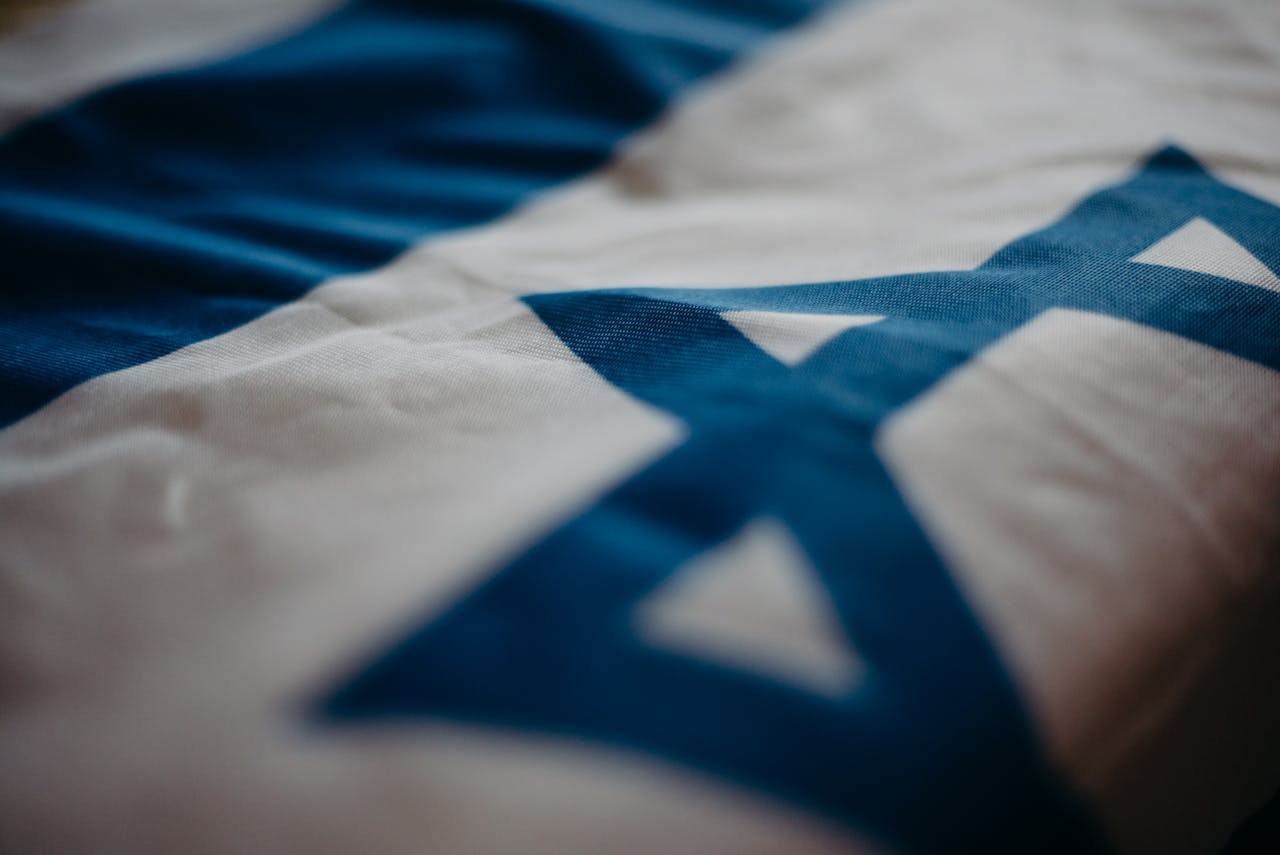
Israel Current Update

Israel Current Updates: Issues and Challanges -Israel has a complicated environment with political unrest, security concerns, socioeconomic problems, and continuous hostilities with the Palestinian people and its neighbors, including Syria, Gaza, and now Iran. Political Landscape Israel’s political scene remains deeply shattered, characterized by a series of elections and coalition governments in recent years. Prime Minister Benjamin Netanyahu, leading the Likud party, has returned to power, forming a coalition with right-wing and religious parties. The way this government is governing and the idea that democratic values are being compromised have faced a criticism. Issues and Challanges of coalition politics have led to significant policy shifts, especially regarding security and settlement expansion in the West Bank. Netanyahu’s government has prioritized a hardline attitude against threats, leading to increased military operations in the West Bank and ongoing tensions in Gaza. Efforts for a more efficient government have been challenged by internal divisions within Israeli society, especially between secular and religious communities, as well as Jewish and Arab citizens. Legislative initiatives aimed at addressing these divides have met with resistance, raising concerns about social togetherness. Security Concerns In Israeli society, security continues to be a major concern. The degree of tension with Palestinian organizations has increased, especially with Hamas and Islamic Jihad. There have been numerous deaths as a result of Gaza’s rocket attacks and Israeli military retaliation, which has raised concerns about a wider battle. Tensions are also present in the West Bank, where there has been an uptick in violence and altercations between Palestinian and Israeli settlements. In recent months, there have been calls for peace talks, with no progress. The prospect of a two-state solution is increasingly seen as distant, leading to frustration among many Palestinians and concerns about the future of Israeli democracy. Social Issues Domestically, Israel grapples with significant social issues, including inequality and the integration of minority groups. Arab citizens of Israel continue to face systemic challenges, including discrimination and limited access to resources. The economic divide between Jewish and Arab communities remains stark, despite some efforts to promote equality. Women’s rights and LGBTQ+ rights have seen progress, but challenges persist. Recent protests have highlighted issues such as gender-based violence and the need for greater representation in politics and the workforce. The ongoing cost of living crisis has also affected many Israelis, prompting protests against rising housing prices and inflation. The government’s response to these economic challenges has been scrutinized, with demands for more effective policies. Relations with Palestinians Israel Current Updates: Issues and Challanges: The relationship between Israel and the Palestinians is fraught with tension. The Palestinian Authority (PA) faces internal challenges, including diminishing legitimacy and increasing frustration among its constituents. In Gaza, Hamas continues to govern amid dire economic conditions and blockades. Efforts for reconciliation between Palestinian factions, such as Hamas and Fatah, have stalled, complicating the peace process. The international community’s role has also been questioned, with calls for renewed engagement and pressure on both sides to return to negotiations. International Relations Israel’s foreign relations are marked by shifting alliances. The normalization agreements with several Arab countries, including the United Arab Emirates and Bahrain, have opened new avenues for economic cooperation and security partnerships. However, relations with traditional allies, such as the U.S., have seen fluctuations due to differing views on the Israeli-Palestinian conflict and domestic policy. Tensions with Iran remain a significant concern for Israel, particularly regarding Iran’s nuclear ambitions and its support for proxy groups in the region. Israeli military operations targeting Iranian interests in Syria and Lebanon have continued, reflecting ongoing fears of regional destabilization. Environmental and Social Challenges Environmental issues are increasingly prominent in Israel, with water scarcity, climate change, and sustainable development becoming urgent topics. The government has initiated projects to address these challenges, but progress is often hindered by political instability and competing priorities. In conclusion, Israel in 2024 is at a complex juncture, grappling with internal divisions, security challenges, and socio-economic issues. The interplay of these factors will significantly influence the country’s trajectory in the coming years, shaping its political landscape and its relations with both Palestinians and the broader international community. The need for effective governance and social cohesion has never been more pressing as Israel navigates these multifaceted challenges

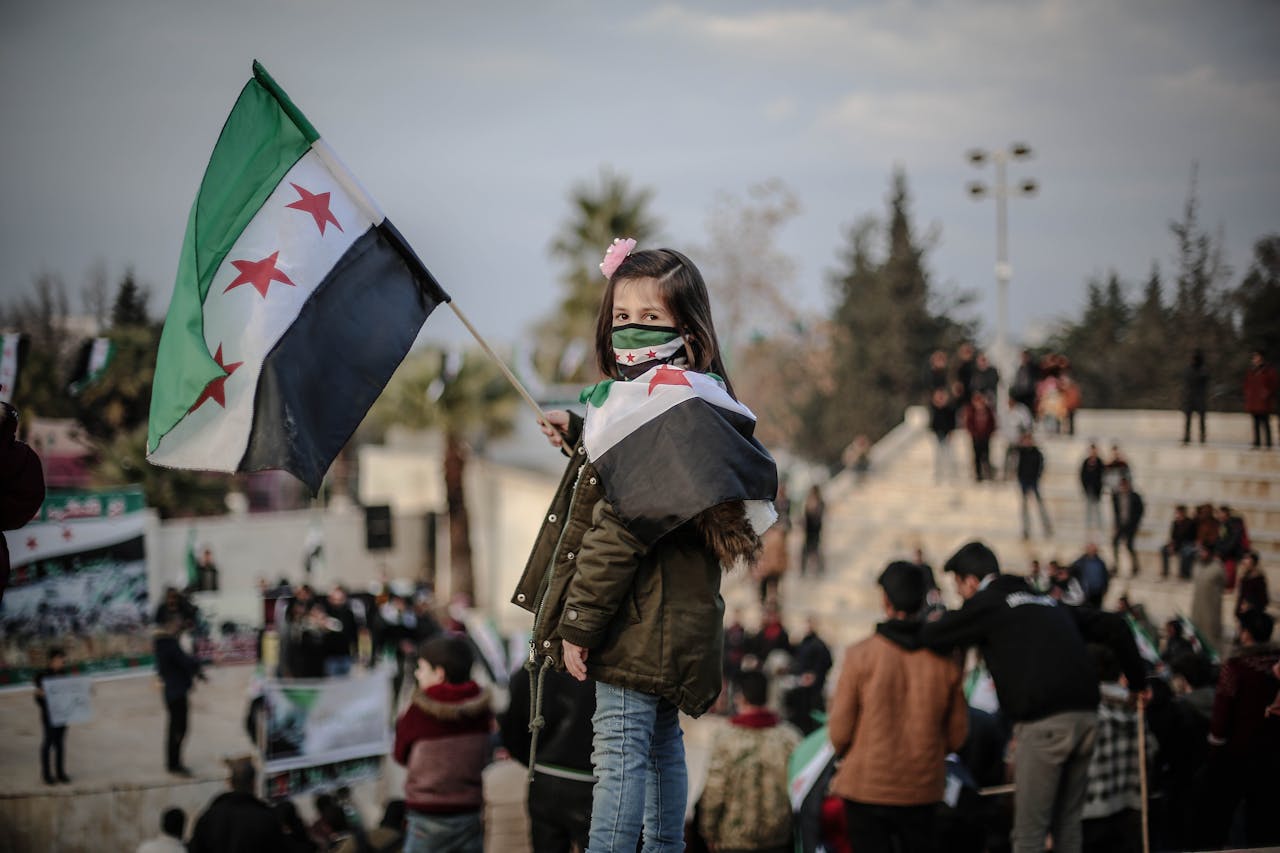
The Syrian civil war

The Syrian Civil War destroyed Syria.

The Syrian civil war, which began in 2011, has evolved into a complex conflict involving various domestic and international actors. The government, led by Bashar al-Assad, has regained control over most of the country, but instability and conflict persist in certain areas. Historical Context Syria’s history is marked by a series of foreign occupations and rule, from the Ottomans to the French Mandate following World War I. This colonial legacy shaped the country’s national identity and political landscape. After gaining independence in 1946, Syria experienced a series of coups and political instability. The Ba’ath Party, founded in the 1940s, espoused Arab nationalism and socialism, eventually taking power in a coup in 1963. In 1970, Hafez al-Assad, a member of the Alawite sect, seized control and established an authoritarian regime characterized by political repression, a strong security apparatus, and a cult of personality. His rule created a loyal base among the Alawite community but marginalized the Sunni majority and other ethnic groups, sowing the seeds of future discontent. Political Repression Under both Hafez al-Assad and later his son, Bashar al-Assad, who succeeded him in 2000, Syria maintained an oppressive political environment. Political dissent was not tolerated; opposition parties were banned, and activists faced imprisonment, torture, or worse. The Ba’ath Party’s monopoly on power stifled any potential for democratic development. This political repression fostered deep-seated grievances among the population. Many Syrians became disillusioned with the regime’s failure to address their needs and aspirations. The lack of political freedoms and the pervasive culture of fear created a climate where peaceful expression of dissent was nearly impossible. Socioeconomic Factors By the early 2010s, Syria faced significant economic challenges. The country had a young and rapidly growing population, with around 60% of Syrians under the age of 30. Economic opportunities, however, were scarce. Rising unemployment, particularly among youth, combined with widespread corruption and mismanagement, exacerbated public frustration. In addition, a severe drought from 2006 to 2010 devastated rural agricultural communities, leading to mass migration to urban areas. The resulting strain on cities, coupled with rising food prices, created a volatile situation. Many displaced farmers and their families faced poverty and marginalization, which fueled social unrest. The Arab Spring The Arab Spring, which began in late 2010 in Tunisia, acted as a catalyst for change across the Arab world. The success of protests in Tunisia and Egypt inspired Syrians to demand reform. In March 2011, peaceful protests erupted in the southern city of Daraa after the arrest and torture of a group of teenagers who painted anti-government graffiti. The protests quickly spread to other cities, with demonstrators calling for the release of political prisoners, an end to corruption, and democratic reforms. Initially, the regime’s response was to dismiss the protests as the work of a foreign conspiracy. However, as protests escalated and spread, the government resorted to violence, deploying security forces to suppress dissent. The brutal crackdown, which included live ammunition against protesters, only intensified public outrage. Escalation of Violence The Syrian civil war – As the regime’s violence escalated, protesters began to arm themselves in self-defense. By mid-2011, the situation had transformed from peaceful demonstrations into armed conflict. Defections from the military and the establishment of the Free Syrian Army marked a shift toward organized resistance against the Assad regime. The conflict quickly became more complex, with various factions emerging. Opposition groups ranged from secular to Islamist, and the absence of a unified command made it difficult to present a coherent front against the regime. The involvement of ethnic and sectarian identities further complicated the conflict, as many groups sought to protect their interests in the face of a deteriorating situation. Sectarian Divides Syria’s population is diverse, with Sunni Muslims constituting the majority, while the Alawite minority, which includes the ruling Assad family, holds significant power. Other ethnic groups, such as Kurds and Christians, also inhabit the country. The regime’s reliance on Alawite loyalists for military support deepened sectarian divides. As violence escalated, many Sunni communities began to view the conflict through a sectarian lens, seeing the Assad regime as an oppressor. Conversely, Alawites and other minorities feared for their safety in a post-Assad Syria. This cycle of mistrust and fear contributed to the fragmentation of the opposition and the escalation of violence. International Involvement The Syrian conflict attracted significant international attention and involvement. Initially, regional powers like Turkey, Qatar, and Saudi Arabia provided support to various opposition groups, each pursuing its own agenda. Iran, in contrast, remained steadfast in its support for the Assad regime, viewing Syria as a critical ally in the region. The conflict also drew in major global powers. The United States and European countries imposed sanctions on the Assad regime and called for its ousting, but their response remained limited. Russia, on the other hand, provided military and political support to the Assad regime, viewing Syria as a key ally in the Middle East https://raginigaur.in/middle-east-update/. As the conflict progressed, the rise of extremist groups, including ISIS, further complicated the landscape. The emergence of these groups shifted the focus of the international community, as they posed a broader threat beyond the Syrian conflict. Humanitarian Crisis The ongoing war has led to a devastating humanitarian crisis. Millions of Syrians have been displaced internally and as refugees in neighboring countries and beyond. The UN estimates that over half of the pre-war population has been affected, with widespread destruction of infrastructure and communities. Access to basic necessities, such as food, water, and healthcare, has become increasingly limited. The humanitarian needs are staggering, with countless civilians caught in the crossfire of an unending conflict. Conclusion The Syrian Civil War is a product of deep-rooted historical grievances, authoritarian rule, socioeconomic challenges, and the influence of external actors. What began as a popular movement for democratic reforms morphed into a brutal conflict, characterized by fragmentation, sectarian divisions, and international involvement. As of now, the conflict remains unresolved, with ongoing violence, shifting alliances, and a humanitarian crisis that continues to unfold. Understanding the origins of the Syrian … Read more

Iran a significant regional player

Iran a significant regional player.

Iran remains a significant regional player with its nuclear program and involvement in various conflicts in the region, including in Syria and Yemen. The U.S. and other countries have been engaged in negotiations and sanctions related to Iran’s nuclear ambitions. Iran’s significance as a regional player in the Middle East https://raginigaur.in/middle-east-update/ stems from a combination of its historical legacy, geopolitical position, military capabilities, economic resources, and ideological influence. Understanding Iran’s role in regional dynamics requires an exploration of these factors, along with its relationships with neighboring countries and major global powers. Historical Context Iran, historically known as Persia, boasts a rich and complex history that has shaped its identity and regional influence. The Persian Empire was one of the world’s earliest great civilizations, known for its contributions to art, science, and governance. This historical legacy fosters a sense of national pride and cultural identity, which plays a crucial role in Iran’s foreign policy. The 20th century was a period of significant upheaval for Iran, particularly following the 1979 Islamic Revolution. The overthrow of the Pahlavi monarchy established the Islamic Republic, fundamentally altering the country’s political landscape and its relationship with the West. This shift fostered a revolutionary ideology that sought to promote Islamic governance and oppose foreign influence, especially from the United States and Israel. Geopolitical Position Iran’s geographical location enhances its regional significance. It occupies a strategic position in the Middle East, bordered by several key countries, including Iraq, Turkey, and Afghanistan. The Strait of Hormuz, located to the south, is a critical chokepoint for global oil shipments, with a substantial percentage of the world’s oil passing through this narrow waterway. Control and influence over this vital route provide Iran with considerable leverage in global energy markets. Additionally, Iran’s landmass and population (over 80 million) make it one of the largest and most populous countries in the region, allowing it to exert influence over neighboring countries. Its diverse ethnic groups, including Persians, Kurds, Arabs, and Azeris, contribute to a complex internal social fabric that impacts its regional interactions. Military Capabilities Iran has developed a robust military apparatus that enhances its role as a regional power. The Islamic Revolutionary Guard Corps (IRGC) plays a pivotal role in both defense and regional operations, extending Iran’s influence through asymmetric warfare strategies, including proxy warfare. The IRGC has supported militant groups such as Hezbollah in Lebanon, various Shiite militias in Iraq, and the Houthis in Yemen, effectively projecting Iranian power across the region. Iran’s military capabilities, including ballistic missile technology and drone warfare, have raised concerns among its neighbors and the international community. These capabilities https://beholdisrael.org/watch-and-listen/latest-updates/ allow Iran to deter adversaries and respond to threats, solidifying its position as a regional player willing to use force to achieve its objectives. Ideological Influence Iran’s revolutionary ideology, rooted in Shia Islam, distinguishes it from many Sunni-majority countries in the region. The Iranian leadership has positioned itself as a champion of the oppressed, supporting various groups that share its ideological orientation. This ideological stance has resonated with many in the region who feel marginalized or oppressed by existing power structures. The promotion of Shia Islam has also led to sectarian tensions, particularly with Sunni-majority countries like Saudi Arabia. This sectarian divide has significant implications for regional dynamics, influencing conflicts in Iraq, Syria, Lebanon, and Yemen. Economic Resources Iran is rich in natural resources, particularly oil and natural gas. As one of the world’s largest producers of crude oil, Iran’s economy is heavily reliant on energy exports. This economic strength allows Iran to wield influence in global energy markets, although sanctions have often curtailed its economic potential. Despite facing significant economic challenges, particularly from U.S. sanctions imposed after the U.S. withdrawal from the Joint Comprehensive Plan of Action (JCPOA) in 2018, Iran has sought to bolster its economy through trade with neighboring countries and strategic partnerships, notably with China and Russia. These partnerships are intended to circumvent sanctions and enhance Iran’s regional standing. Regional Relationships Iran’s relationships with neighboring countries are crucial to understanding its regional influence. Its support for the Assad regime in Syria during the civil war has solidified its role as a key ally in the Levant, providing a direct corridor for influence extending to Lebanon through Hezbollah. This corridor enhances Iran’s strategic depth and enables it to project power across the region. In Iraq, Iran has significant influence over various political factions and militias, particularly among the Shiite majority. The U.S. invasion of Iraq in 2003 created a power vacuum that Iran has capitalized on, leading to concerns among Sunni Arab states about Iranian expansionism. In Yemen, Iran’s support for the Houthi movement has led to a protracted conflict, which Saudi Arabia sees as a direct threat. The ongoing proxy war between Iran and Saudi Arabia reflects broader regional rivalries and has significant implications for security and stability. Tensions with the West Iran’s relationship with Western powers, particularly the United States, has been characterized by tension and hostility. The 1979 hostage crisis, in which American diplomats were held captive, marked the beginning of a tumultuous relationship. Subsequent U.S. policies, including sanctions and military interventions in the region, have further strained relations. The JCPOA, signed in 2015, was seen as a potential turning point, offering Iran relief from sanctions in exchange for limitations on its nuclear program. However, the U.S. withdrawal from the agreement in 2018 reignited tensions and led to a cycle of escalation, with Iran resuming some nuclear activities and regional aggression. Regional Rivalries Iran’s role in the region is often framed within the context of its rivalry with Saudi Arabia, which represents the Sunni Arab world. This rivalry has manifested in various conflicts, from the Syrian Civil War to the war in Yemen, where both countries support opposing sides. The sectarian dimensions of this rivalry exacerbate tensions and complicate regional dynamics. Iran also faces challenges from other regional powers, including Israel, which perceives Iran as a significant existential threat due to its nuclear ambitions and support for anti-Israel groups. Israel’s military operations … Read more

Middle East Update

Middle east: - In the early years following the establishment of the State of Israel in 1948, relations with Iran were relatively cordial

Middle East Update:-  The relationship between Israel and Iran has evolved dramatically over the decades, shaped by a complex interplay of historical events, ideological differences, and geopolitical shifts. This intricate relationship has transformed from one of cooperation and mutual benefit to a bitter rivalry marked by conflict, suspicion, and proxy wars. To understand what happened between Israel and Iran, it is essential to delve into the historical context, the key events that shaped their relationship, and the current state of affairs. Historical Context of Middle East Early Relations In the early years following the establishment of the State of Israel in 1948 in middle east, relations with Iran were relatively cordial. At that time, Iran was ruled by Shah Mohammad Reza Pahlavi, who maintained a pro-Western stance and viewed Israel as a valuable ally against Arab nationalism and communism. The two countries shared mutual interests, including military cooperation and intelligence sharing, particularly in the context of countering Arab hostility and Soviet influence in the region. During the 1960s and early 1970s, Iran and Israel developed economic ties, and the Shah supported the Israeli military with arms and technology. This period of cooperation was underpinned by a shared strategic vision, with both countries aiming to assert their influence in a region dominated by Arab nationalism. The 1979 Islamic Revolution The relationship began to sour dramatically after the 1979 Islamic Revolution in Iran. The overthrow of the Shah and the establishment of the Islamic Republic in the middle east, marked a significant shift in Iran’s foreign policy. Under the leadership of Ayatollah Ruhollah Khomeini, Iran adopted a staunchly anti-Israel stance, viewing Israel as a key enemy of Islam and a puppet of Western imperialism. Khomeini’s regime severed diplomatic relations with Israel and began to support Palestinian resistance movements. This ideological shift had profound implications for the region, as Iran emerged as a champion of anti-Zionism and anti-imperialism, positioning itself as a leader in the Islamic world. Key Events in the Rivalry The Iran-Iraq War (1980-1988) The Iran-Iraq War had significant repercussions for the Israeli-Iranian relationship in the middle east. While the conflict was primarily a result of territorial disputes and historical grievances between Iran and Iraq, it also provided opportunities for Israel to navigate its own security concerns. Israel was concerned about the rise of Iranian influence and the potential spread of the Islamic Revolution. During the war, Israel supplied intelligence and military assistance to Iraq, hoping to weaken Iran. This support was rooted in Israel’s desire to contain Iranian power, illustrating how the rivalry between the two nations had evolved into direct opposition. The 1990s: Shifting Dynamics The collapse of the Soviet Union and the subsequent shift in Middle Eastern geopolitics led to new dynamics in the region. While Israel engaged in peace talks with some Arab states, Iran continued to oppose Israel’s existence. The 1990s also saw the rise of Hezbollah, a Shiite militant group based in Lebanon that received support from Iran. Hezbollah’s attacks on Israeli forces further exacerbated tensions, with Iran playing a key role in funding and training the group. The Second Intifada and the Rise of Hamas The outbreak of the Second Intifada in 2000 marked another turning point in Israeli-Iranian relations. Iran increased its support for Palestinian groups, including Hamas and Islamic Jihad, viewing them as proxies in its struggle against Israel. The Israeli government, in turn, viewed Iranian support for these groups as a direct threat to its national security. Iran’s commitment to arming and training these groups further entrenched the animosity between the two countries. Israeli leaders frequently emphasized the existential threat posed by Iran’s nuclear ambitions and its support for anti-Israel groups, leading to heightened military preparedness and intelligence operations. Nuclear Concerns in the Middle East Iran’s Nuclear Program in the middle east One of the most contentious issues between Israel and Iran has been Tehran’s nuclear program. Israel views a nuclear-armed Iran as an existential threat. In 2002, then-Israeli Prime Minister Ariel Sharon raised concerns about Iran’s nuclear ambitions, accusing the country of pursuing a weapons program under the guise of civilian nuclear energy. The international community’s response to Iran’s nuclear program culminated in the Joint Comprehensive Plan of Action (JCPOA) in 2015. This landmark agreement sought to limit Iran’s nuclear capabilities in exchange for relief from economic sanctions. While the deal was seen as a diplomatic achievement, Israel vehemently opposed it, arguing that it did not go far enough to prevent Iran from eventually developing nuclear weapons. The U.S. Withdrawal from the JCPOA In 2018, U.S. President Donald Trump withdrew from the JCPOA, reimposing sanctions on Iran. Israel welcomed this decision, viewing it as a means to curtail Iran’s nuclear ambitions. In response, Iran began to roll back its commitments under the agreement, further heightening tensions between the two nations. Proxy Wars and Regional Influence The Syrian Civil War The Syrian Civil War, which began in 2011, has become a significant theater for Israeli-Iranian rivalry. Iran’s support for the Assad regime has allowed it to establish a military presence in Syria, creating a strategic corridor for its influence in Lebanon and beyond. Israel views this development as a direct threat, prompting numerous airstrikes on Iranian positions and arms shipments in Syria. The Israeli military has frequently targeted Iranian and Hezbollah positions in Syria, aiming to prevent the establishment of a permanent Iranian foothold near its borders. These military operations reflect the deepening enmity between Israel and Iran, as both countries seek to assert their influence in the region. The Rise of Regional Tensions The competition for regional dominance has led to a series of proxy conflicts across the Middle East. Iran has supported various militant groups, including Hezbollah in Lebanon and Houthi rebels in Yemen, while Israel has strengthened its alliances with Sunni Arab states that share its concerns about Iranian expansionism. The normalization of relations between Israel and several Arab states, including the United Arab Emirates and Bahrain, through the Abraham Accords in 2020 has further complicated the … Read more

Origin of Palestine

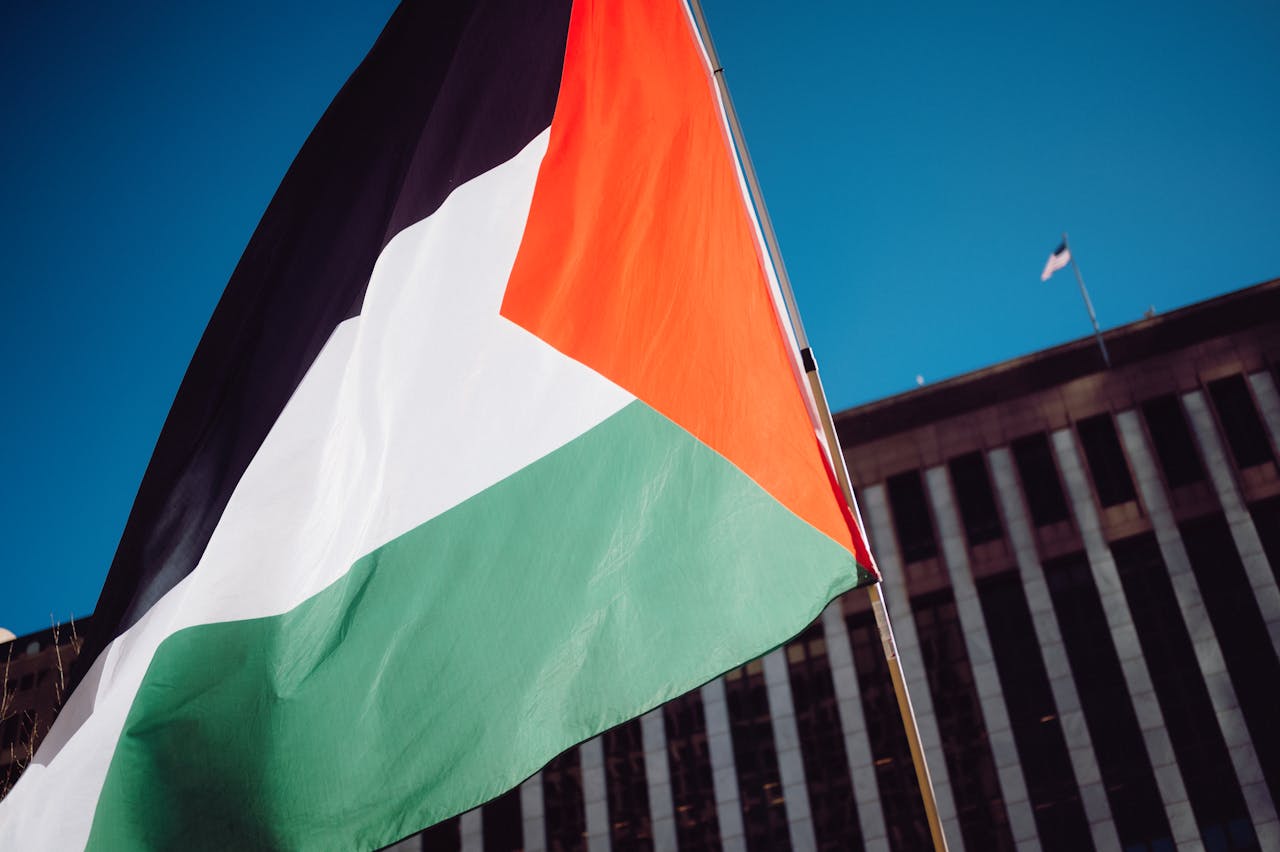
The origin of Palestine state.

Origin of Palestine – The question of when Palestine “came into existence” is complex and deeply intertwined with historical, political, and cultural contexts. The region known as Palestine has a rich history and origin that dates back thousands of years, and its modern political status is the result of a long and contentious process. To explore the emergence of Palestine as a concept and entity, we must examine historical narratives, colonial impacts, the rise of nationalism, and the ongoing conflict with Israel. Historical Context Ancient and Medieval History The land known as Palestine has been inhabited for millennia, with a diverse array of cultures and civilizations. In ancient times, it was home to various peoples, including Canaanites, Israelites, and Philistines. Jerusalem, one of the oldest cities in the world, holds significant religious importance for Judaism, Christianity, and Islam. Throughout history, Palestine has been ruled by numerous empires, including the Egyptians, Babylonians, Persians, Greeks, Romans, and Ottomans. By the 7th century CE, the region became predominantly Islamic following the Arab conquests, and it remained part of various Muslim empires until the late Ottoman period. Ottoman Era and World War I The late Ottoman Empire (1517–1917) administered Palestine as part of its territory. During this time, the population included a mix of Arabs, Jews, and other groups living together, although tensions occasionally arose. The situation began to change during the late 19th century, coinciding with the rise of nationalism in Europe and the coming back of Zionism https://beholdisrael.org/watch-and-listen/latest-updates/, a movement aimed at establishing a Jewish homeland in Palestine. This movement gained momentum as European Jews faced persecution and anti-Semitism, particularly in Eastern Europe. The British Mandate After World War I, the Ottoman Empire dissolved, and Palestine came under British control via the League of Nations mandate system. The British Mandate for Palestine (1920-1948) was established, which aimed to create a “national home for the Jewish people” while ensuring the civil and religious rights of the existing non-Jewish communities. The Balfour Declaration of 1917 had already expressed British support for Zionism, setting the stage for increased Jewish immigration to Palestine. This period saw rising tensions between Jewish and Arab communities. Jewish immigration increased, leading to demographic shifts that alarmed many Arab residents. The Arab population, feeling threatened, began to mobilize against the influx of Jewish settlers and the British mandate. The Rise of Palestinian Nationalism Origin of Palestine – The early 20th century marked the beginning of Palestinian nationalism. The 1920s and 1930s saw the emergence of various political movements aimed at resisting British rule and opposing Jewish immigration. Arab nationalism gained traction, fueled by the desire for self-determination and independence. The Arab Revolt (1936-1939) was a significant uprising against British rule and Jewish immigration, reflecting widespread discontent among Palestinians. The British response was harsh, including the implementation of collective punishments and military action against Arab leaders. The revolt highlighted the deepening rift between Jewish and Arab communities and set the stage for future conflict. Partition and the Creation of Israel Origin of Palestine – The aftermath of World War II and the Holocaust generated international support for the establishment of a Jewish state. In 1947, the United Nations proposed a partition plan that aimed to divide Palestine into separate Jewish and Arab states, with Jerusalem as an international city. The Jewish leadership accepted the plan, but the Arab leadership rejected it, leading to escalating tensions. On May 14, 1948, David Ben-Gurion proclaimed the establishment of the State of Israel https://raginigaur.in/israel-current-u…s-and-challanges/. The declaration prompted immediate conflict, as neighboring Arab states invaded the newly established state. This conflict is known as the 1948 Arab Israeli War or the War of Independence for Israelis and the Nakba (Catastrophe) for Palestinians. The war resulted in the displacement of approximately 700,000 Palestinians, who became refugees and were unable to return to their homes. The Concept of Palestinian Identity The period following the 1948 war marked a significant evolution in Palestinian identity. The loss of their homeland and the experiences of displacement solidified a collective identity among Palestinians. The Palestinian Liberation Organization (PLO) was established in 1964, symbolizing the political aspirations of Palestinians for self-determination and statehood. In the 1960s and 1970s, Palestinian nationalism gained traction through armed struggle, diplomacy, and international advocacy. The PLO, under the leadership of Yasser Arafat, became the face of Palestinian aspirations. The organization sought to unify various factions and articulate the Palestinian cause on the global stage. The 1967 War and Occupation Origin of Palestine – The 1967 Six-Day War significantly altered the political landscape in the region. Israel captured the West Bank, Gaza Strip, East Jerusalem, and the Golan Heights, leading to a military occupation that continues to this day. The war resulted in further displacement and hardship for Palestinians, who found themselves living under Israeli control. The occupation intensified calls for Palestinian self-determination and independence. The PLO gained recognition as the representative of the Palestinian people, and by the late 1970s, it was recognized by the United Nations as a non-member observer. The Peace Process and Oslo Accords The late 20th century saw attempts to resolve the Israeli-Palestinian conflict through diplomatic means. The Madrid Conference in 1991 and subsequent negotiations led to the Oslo Accords in the 1990s. These agreements aimed to lay the groundwork for a two-state solution, granting limited autonomy to Palestinians in parts of the West Bank and Gaza Strip. The Oslo process created the Palestinian Authority (PA), tasked with governing areas under Palestinian control. However, the peace process faced numerous challenges, including continued settlement expansion, violence, and political divisions among Palestinians. The Second Intifada and Recent Developments The Second Intifada (2000-2005) marked a period of heightened violence and unrest, leading to a breakdown of the peace process. The failure to achieve a lasting resolution to the conflict has resulted in deepening despair and disillusionment among Palestinians. In the 2006 elections, Hamas, an Islamist group, won control of the Gaza Strip, leading to a political split between Hamas in Gaza and the Fatah-led Palestinian Authority in … Read more