
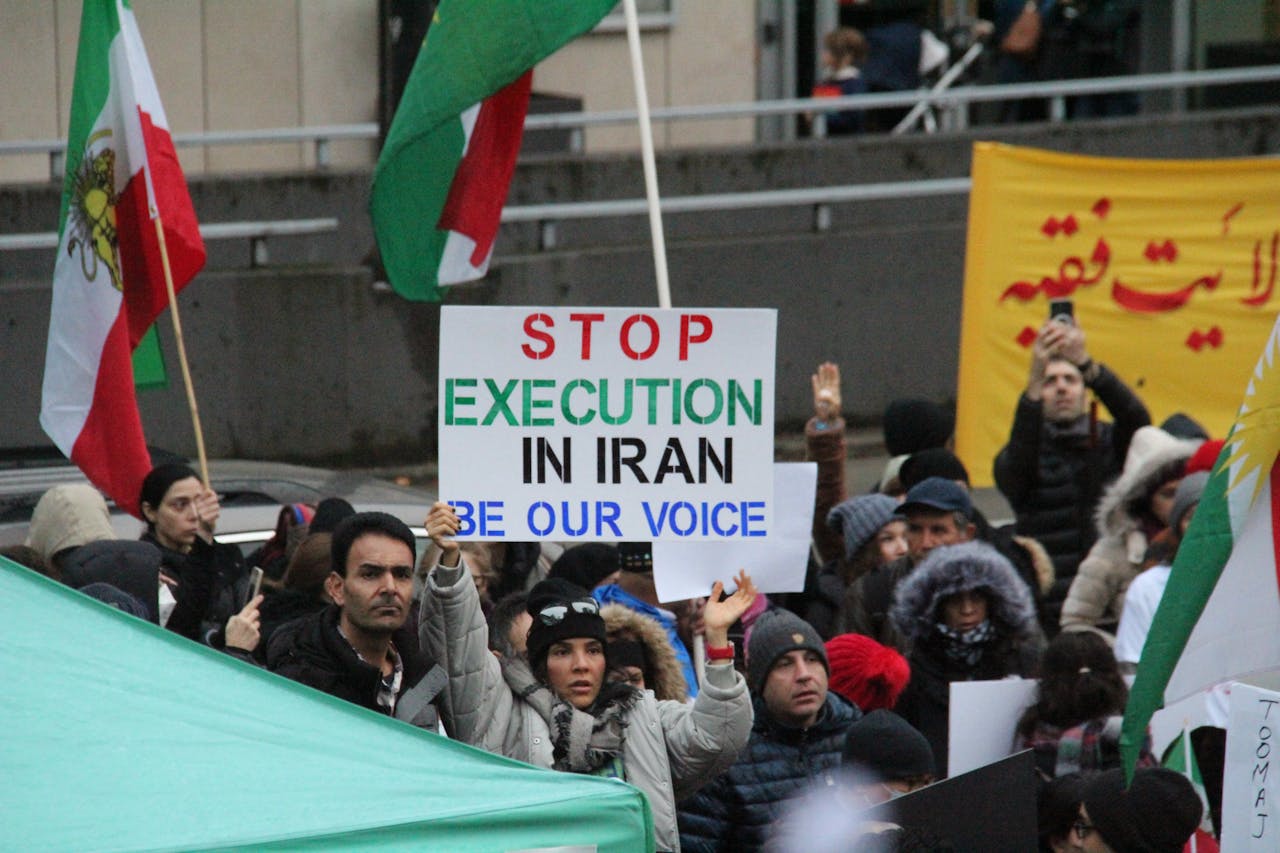
Iran remains a significant regional player with its nuclear program and involvement in various conflicts in the region, including in Syria and Yemen. The U.S. and other countries have been engaged in negotiations and sanctions related to Iran’s nuclear ambitions.
Iran’s significance as a regional player in the Middle East https://raginigaur.in/middle-east-update/ stems from a combination of its historical legacy, geopolitical position, military capabilities, economic resources, and ideological influence. Understanding Iran’s role in regional dynamics requires an exploration of these factors, along with its relationships with neighboring countries and major global powers.
Historical Context
Iran, historically known as Persia, boasts a rich and complex history that has shaped its identity and regional influence. The Persian Empire was one of the world’s earliest great civilizations, known for its contributions to art, science, and governance. This historical legacy fosters a sense of national pride and cultural identity, which plays a crucial role in Iran’s foreign policy.
The 20th century was a period of significant upheaval for Iran, particularly following the 1979 Islamic Revolution. The overthrow of the Pahlavi monarchy established the Islamic Republic, fundamentally altering the country’s political landscape and its relationship with the West. This shift fostered a revolutionary ideology that sought to promote Islamic governance and oppose foreign influence, especially from the United States and Israel.
Geopolitical Position
Iran’s geographical location enhances its regional significance. It occupies a strategic position in the Middle East, bordered by several key countries, including Iraq, Turkey, and Afghanistan. The Strait of Hormuz, located to the south, is a critical chokepoint for global oil shipments, with a substantial percentage of the world’s oil passing through this narrow waterway. Control and influence over this vital route provide Iran with considerable leverage in global energy markets.
Additionally, Iran’s landmass and population (over 80 million) make it one of the largest and most populous countries in the region, allowing it to exert influence over neighboring countries. Its diverse ethnic groups, including Persians, Kurds, Arabs, and Azeris, contribute to a complex internal social fabric that impacts its regional interactions.
Military Capabilities
Iran has developed a robust military apparatus that enhances its role as a regional power. The Islamic Revolutionary Guard Corps (IRGC) plays a pivotal role in both defense and regional operations, extending Iran’s influence through asymmetric warfare strategies, including proxy warfare. The IRGC has supported militant groups such as Hezbollah in Lebanon, various Shiite militias in Iraq, and the Houthis in Yemen, effectively projecting Iranian power across the region.
Iran’s military capabilities, including ballistic missile technology and drone warfare, have raised concerns among its neighbors and the international community. These capabilities https://beholdisrael.org/watch-and-listen/latest-updates/ allow Iran to deter adversaries and respond to threats, solidifying its position as a regional player willing to use force to achieve its objectives.
Ideological Influence
Iran’s revolutionary ideology, rooted in Shia Islam, distinguishes it from many Sunni-majority countries in the region. The Iranian leadership has positioned itself as a champion of the oppressed, supporting various groups that share its ideological orientation. This ideological stance has resonated with many in the region who feel marginalized or oppressed by existing power structures.
The promotion of Shia Islam has also led to sectarian tensions, particularly with Sunni-majority countries like Saudi Arabia. This sectarian divide has significant implications for regional dynamics, influencing conflicts in Iraq, Syria, Lebanon, and Yemen.
Economic Resources
Iran is rich in natural resources, particularly oil and natural gas. As one of the world’s largest producers of crude oil, Iran’s economy is heavily reliant on energy exports. This economic strength allows Iran to wield influence in global energy markets, although sanctions have often curtailed its economic potential.
Despite facing significant economic challenges, particularly from U.S. sanctions imposed after the U.S. withdrawal from the Joint Comprehensive Plan of Action (JCPOA) in 2018, Iran has sought to bolster its economy through trade with neighboring countries and strategic partnerships, notably with China and Russia. These partnerships are intended to circumvent sanctions and enhance Iran’s regional standing.
Regional Relationships
Iran’s relationships with neighboring countries are crucial to understanding its regional influence. Its support for the Assad regime in Syria during the civil war has solidified its role as a key ally in the Levant, providing a direct corridor for influence extending to Lebanon through Hezbollah. This corridor enhances Iran’s strategic depth and enables it to project power across the region.
In Iraq, Iran has significant influence over various political factions and militias, particularly among the Shiite majority. The U.S. invasion of Iraq in 2003 created a power vacuum that Iran has capitalized on, leading to concerns among Sunni Arab states about Iranian expansionism.
In Yemen, Iran’s support for the Houthi movement has led to a protracted conflict, which Saudi Arabia sees as a direct threat. The ongoing proxy war between Iran and Saudi Arabia reflects broader regional rivalries and has significant implications for security and stability.
Tensions with the West
Iran’s relationship with Western powers, particularly the United States, has been characterized by tension and hostility. The 1979 hostage crisis, in which American diplomats were held captive, marked the beginning of a tumultuous relationship. Subsequent U.S. policies, including sanctions and military interventions in the region, have further strained relations.
The JCPOA, signed in 2015, was seen as a potential turning point, offering Iran relief from sanctions in exchange for limitations on its nuclear program. However, the U.S. withdrawal from the agreement in 2018 reignited tensions and led to a cycle of escalation, with Iran resuming some nuclear activities and regional aggression.
Regional Rivalries
Iran’s role in the region is often framed within the context of its rivalry with Saudi Arabia, which represents the Sunni Arab world. This rivalry has manifested in various conflicts, from the Syrian Civil War to the war in Yemen, where both countries support opposing sides. The sectarian dimensions of this rivalry exacerbate tensions and complicate regional dynamics.
Iran also faces challenges from other regional powers, including Israel, which perceives Iran as a significant existential threat due to its nuclear ambitions and support for anti-Israel groups. Israel’s military operations in Syria and its efforts to counter Iranian influence are indicative of the ongoing struggle for dominance in the region.
Future Prospects
As Iran navigates a complex regional landscape, its influence is likely to persist, albeit under varying circumstances. The interplay of geopolitical dynamics, domestic politics, and external pressures will shape Iran’s future role in the region.
While sanctions and isolation pose challenges, Iran’s resilience, historical legacy, and ideological fervor will continue to inform its foreign policy. The potential for renewed diplomacy with Western powers, particularly concerning its nuclear program, could alter its relationships and impact regional stability.
Conclusion
Iran’s significance as a regional player in the Middle East is a product of its historical legacy, strategic location, military capabilities, economic resources, and ideological influence. Its complex relationships with neighboring countries, coupled with its rivalries with major powers, make Iran a pivotal actor in regional dynamics. Understanding Iran’s role requires acknowledging both its ambitions and the challenges it faces, as well as the broader geopolitical context that shapes the Middle East today. As the region continues to evolve, Iran will remain a crucial player, influencing the course of events for years to come.